
הבהרה: אין בדברי בפוסט הזה משום המלצה או תמיכה בשימוש בחומרים המוזכרים כאן, מטרת הבלוג שלי הוא לשתף את הציבור במידע רפואי, כך גם הפעם, אני משתף את קהל קוראי באינפורמציה אליה אני נחשף במקורות רפואיים, בוודאי ובוודאי שאיני ממליץ על שימוש בחומרים האסורים על פי חוק או שעלולים לסכן את בטיחותם ובריאותם של קוראי.
הרבה מכם שמעו עליהן, חלקכם ייתכן ואפילו התנסה בהן, קוראים להן “Shrooms” או “Magic Mushrooms, פטריות פסילוסיבין או "פטריות הזיה" או "פטריות קסם" והן נמצאות בשימוש האדם מאז ימי קדם, (כן כן, יש עדויות ארכיאולוגיות לכך). יש בלבול רב בקשר לחוקיות ההחזקה והשימוש בהן ברחבי העולם, יש ארצות בהן מותר ויש ארצות בהן אסור, בישראל החומרים האקטיביים שבהן, פסילוסין ופסילוסיבין אסורים על פי חוק לפי "פקודת הסמים המסוכנים", אבל למרות זאת, הפטריות עצמן אינן נכללות בפקודה זאת. משמעות הדבר היא שאין איסור מפורש לשימוש, להחזקה, לגידול ולסחר בפטריות עצמן, אך ישנו איסור על מיצוי החומרים, השימוש, הסחר, והחזקה בהם, מבלבל, אני יודע.
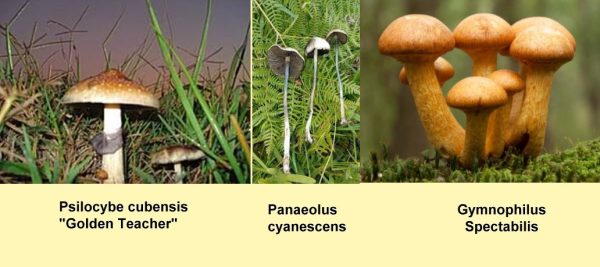
בארץ גדלים בטבע כמה זנים של פטריות הזיה, הנה כמה מהן:
.1 פטריית Psilocybe Cubensis (קובנסיס) – ה"פסילו קובנסיס" היא אחת הפטריות הפסילוסיביניות היותר ידועות ברחבי העולם מוכרת בשמה העממי “Golden Teacher”. למרות שהיא מוכרת בעיקר באזורים טרופים ולחים, מדענים וחוקרי טבע דיווחו במקרים נדירים על הופעותיה בישראל, בעיקר באזורי הולכות בקר וסוסים בגליל ובגולן.
2. פטריית Panaeolus Cyanescens (פנאולוס) – נפוצה באזורי מרעה טבעיים ועשויים לגדול בעיקר אחרי גשמי הסתיו ובעיקר במקומות בהם יש זבל של בקר.
3. Gymnopilus Spectabilis – זו פטריה מוזרה, צהובה-זהובה שגדלה בעיקר על עצים ונמצאה כבר במספר אתרים בישראל, בעיקר באזור הכרמל. יש לה הופעה יציבה, מרשימה וצהבהבה,
מלבד מהרבה חבר'ה שמכירים את הפטריות האלה ואחרות ממסיבות וריטריטים, אז גם עולם הפסיכולוגיה והפסיכיאטריה מכירים אותן, כי הן נוסו ומשמשות לא מעט בטיפול (עם הצלחה) בדיכאון, הפרעות אובססיביות ("מצבים כפייתיים"), לגמילה משימוש בסמים קשים, והרבה בכל מיני מקרי פוסט טראומה PTSD, אם על רקע "הלם קרב" ואם על רקע אירועי טראומה אחרים, אישיים.
אז העילה לכתיבתי היום עליהן היא מחקר, שמצא שהחומר הזה, חוץ מלהעניק "מסעות" מעניינים לנפש, כנראה גם מאריך חיים…
במחקר משנה שעברה (2025) , נמצא שפסילוסין (שזה החומר הפעיל) יכול להאריך חיים של תאים ב-50%, החוקרים בדקו את הדבר על תאי עור ותאי ריקמת ריאה, והם מצאו שהתאים ש"טופלו" הראו הזדקנות אטית יותר, שיפור בתהליכי השיקום מטראומה, ועמידות טובה יותר לנזק מסטרס. במלים אחרות- יש לפסילוסיבין אפקט “anti aging” ואפקט משקם, עד כדי כך שקראו לו "סוכן להגנה מפני הזדקנות Geroprotective Agent".
לדעתם הדבר קורה כי החומר מפחית את הנזק הנובע מ"עקה חימצונית" oxidative stress, ומשיפור תיפקוד מיטוכונדריה בתוך התאים (המיטוכונדריה היא המקור לאנרגיה של התא).
המחקר מצטרף לשורה ארוכה של מחקרים (מעל 150) על פסילוסיבין שהראו אפקט חיובי לטווח של שנים במגוון רחב של בעיות, פיסיות, נוירולוגיות ונפשיות.
שימו לב: הניסויים הרבים נערכו חלקם על עכברי מעבדה וחלקם על תאי רקמה שנלקחו מבני אדם.
אמל"ק: שתהיו מודעים, פטריות טובות
לא רק בשביל ה"טריפ"
מקורות:
https://www.sciencealert.com/psilocybin-extends-life-of-human-cells-by-50-in-wild-new-study
Psilocybin treatment extends cellular lifespan and improves survival of aged mice
https://news.emory.edu/stories/2025/07/hs_psilocybin_aging_study_10-07-2025/story.html
https://www.bcm.edu/news/can-psychedelic-mushrooms-turn-back-the-clock
Psilocybin treatment extends cellular lifespan and improves survival of aged mice
https://pubmed.ncbi.nlm.nih.gov/40628762/
https://www.nature.com/articles/s41514-025-00244-x
מקורות נוספים על שימוש בפטריות פסילוסיבין בכלל:
Goel, A. et al. Use of psychedelics for pain: a scoping review. Anesthesiology 139, 523–536 (2023).Article PubMed Google Scholar
Raison, C. L. et al. Single-dose psilocybin treatment for major depressive disorder: a randomized clinical trial. JAMA 330, 843–853 (2023).Article CAS PubMed PubMed Central Google Scholar
Goodwin, G. M. et al. Single-dose psilocybin for a treatment-resistant episode of major depression. N. Engl. J. Med. 387, 1637–1648 (2022).Article CAS PubMed Google Scholar
Dworkin, R. H. et al. If the doors of perception were cleansed, would chronic pain be relieved? Evaluating the benefits and risks of psychedelics. J. Pain. 23, 1666–1679 (2022).Article PubMed Google Scholar
Aday, J. S., Mitzkovitz, C. M., Bloesch, E. K., Davoli, C. C. & Davis, A. K. Long-term effects of psychedelic drugs: a systematic review. Neurosci. Biobehav. Rev. 113, 179–189 (2020).Article CAS PubMed Google Scholar
Germann, C. B. The psilocybin-telomere hypothesis: an empirically falsifiable prediction concerning the beneficial neuropsychopharmacological effects of psilocybin on genetic aging. Med Hypotheses 134, 109406 (2020).Article CAS PubMed Google Scholar
Wikgren, M. et al. Short telomeres in depression and the general population are associated with a hypocortisolemic state. Biol. Psychiatry 71, 294–300 (2012).Article CAS PubMed Google Scholar
Wolkowitz, O. et al. Resting leukocyte telomerase activity is elevated in major depression and predicts treatment response. Mol. Psychiatry 17, 164–172 (2012).Article CAS PubMed Google Scholar
Needham, B. et al. Depression, anxiety and telomere length in young adults: evidence from the National Health and Nutrition Examination Survey. Mol. Psychiatry 20, 520–528 (2015).Article CAS PubMed Google Scholar
Malan, S., Hemmings, S., Kidd, M., Martin, L. & Seedat, S. Investigation of telomere length and psychological stress in rape victims. Depression Anxiety 28, 1081–1085 (2011).Article CAS PubMed Google Scholar
Wolkowitz, O. M. et al. Leukocyte telomere length in major depression: correlations with chronicity, inflammation and oxidative stress-preliminary findings. PloS One 6, e17837 (2011).Article CAS PubMed PubMed Central Google Scholar
Simon, N. M. et al. Telomere shortening and mood disorders: preliminary support for a chronic stress model of accelerated aging. Biol. Psychiatry 60, 432–435 (2006).Article CAS PubMed Google Scholar
Okereke, O. I. et al. High phobic anxiety is related to lower leukocyte telomere length in women. PloS One 7, e40516 (2012).Article CAS PubMed PubMed Central Google Scholar
Hecker, L. et al. Reversal of persistent fibrosis in aging by targeting Nox4-Nrf2 redox imbalance. Sci. Transl. Med. 6, 231ra247 (2014).Article Google Scholar
Fadahunsi, N. et al. Acute and long-term effects of psilocybin on energy balance and feeding behavior in mice. Transl. Psychiatry 12, 330 (2022).Article CAS PubMed PubMed Central Google Scholar
Karlsson, M. et al. A single-cell type transcriptomics map of human tissues. Sci. Adv. 7, eabh2169 (2021).Article CAS PubMed PubMed Central Google Scholar
Fanibunda, S. E. et al. Serotonin regulates mitochondrial biogenesis and function in rodent cortical neurons via the 5-HT(2A) receptor and SIRT1-PGC-1alpha axis. Proc. Natl. Acad. Sci. USA 116, 11028–11037 (2019).Article CAS PubMed PubMed Central Google Scholar
Chen, C., Zhou, M., Ge, Y. & Wang, X. SIRT1 and aging related signaling pathways. Mech. Ageing Dev. 187, 111215 (2020).Article CAS PubMed Google Scholar
Inserra, A., Campanale, A., Rezai, T., Romualdi, P. & Rubino, T. Epigenetic mechanisms of rapid-acting antidepressants. Transl. Psychiatry 14, 359 (2024).Article PubMed PubMed Central Google Scholar
de la Fuente Revenga, M. et al. Prolonged epigenomic and synaptic plasticity alterations following single exposure to a psychedelic in mice. Cell Rep. 37, 109836 (2021).Article PubMed Google Scholar
Inserra, A. et al. Modulation of DNA methylation and protein expression in the prefrontal cortex by repeated administration of D-lysergic acid diethylamide (LSD): impact on neurotropic, neurotrophic, and neuroplasticity signaling. Prog. Neuropsychopharmacol. Biol. Psychiatry 119, 110594 (2022).Article CAS PubMed Google Scholar
Johnson, M. W., Griffiths, R. R., Hendricks, P. S. & Henningfield, J. E. The abuse potential of medical psilocybin according to the 8 factors of the Controlled Substances Act. Neuropharmacology 142, 143–166 (2018).Article CAS PubMed PubMed Central Google Scholar
Hall, W. The need for publicly funded research on therapeutic use of psychedelic drugs. World Psychiatry 20, 197–198 (2021).Article PubMed PubMed Central Google Scholar
Palitsky, R., et al. A critical evaluation of psilocybin-assisted therapy protocol components from clinical trial patients, facilitators, and caregivers. Psychotherapy (Chic) (2025).
Hasler, F., Grimberg, U., Benz, M. A., Huber, T. & Vollenweider, F. X. Acute psychological and physiological effects of psilocybin in healthy humans: a double-blind, placebo-controlled dose–effect study. Psychopharmacology 172, 145–156 (2004).Article CAS PubMed Google Scholar
Johnson, M. W., Richards, W. A. & Griffiths, R. R. Human hallucinogen research: guidelines for safety. J. Psychopharmacol. 22, 603–620 (2008).Article CAS PubMed PubMed Central Google Scholar
Grinspoon, L. & Bakalar, J. B. Can drugs be used to enhance the psychotherapeutic process?. Am. J. Psychother. 40, 393–404 (1986).Article CAS PubMed Google Scholar
Aaronson, B. S. & Osmond, H. Psychedelics: the uses and implications of hallucinogenic drugs (Doubleday Garden City, 1970).
Tyls, F. et al. Sex differences and serotonergic mechanisms in the behavioural effects of psilocin. Behav. Pharm. 27, 309–320 (2016).Article CAS Google Scholar
Effinger, D. P., Quadir, S. G., Ramage, M. C., Cone, M. G. & Herman, M. A. Sex-specific effects of psychedelic drug exposure on central amygdala reactivity and behavioral responding. Transl. Psychiatry 13, 119 (2023).Article CAS PubMed PubMed Central Google Scholar
Shao, L. X. et al. Psilocybin induces rapid and persistent growth of dendritic spines in frontal cortex in vivo. Neuron 109, 2535–2544 e2534 (2021).Article CAS PubMed PubMed Central Google Scholar
Nair, A. B. & Jacob, S. A simple practice guide for dose conversion between animals and human. J. Basic Clin. Pharm. 7, 27–31 (2016).Article PubMed PubMed Central Google Scholar
Thomann, J. et al. In vitro and in vivo metabolism of psilocybin’s active metabolite psilocin. Front. Pharm. 15, 1391689 (2024).Article CAS Google Scholar
Holze, F., Becker, A. M., Kolaczynska, K. E., Duthaler, U. & Liechti, M. E. Pharmacokinetics and pharmacodynamics of oral psilocybin administration in healthy participants. Clin. Pharm. Ther. 113, 822–831 (2023).Article CAS Google Scholar
Zhuk, O. et al. Research on acute toxicity and the behavioral effects of methanolic extract from psilocybin mushrooms and psilocin in mice. Toxins7, 1018–1029 (2015).Article CAS PubMed PubMed Central Google Scholar
Duan, F. et al. Area under the curve as a tool to measure kinetics of tumor growth in experimental animals. J. Immunol. Methods 382, 224–228 (2012).Article CAS PubMed Google Scholar
Fallahi-Sichani, M., Honarnejad, S., Heiser, L. M., Gray, J. W. & Sorger, P. K. Metrics other than potency reveal systematic variation in responses to cancer drugs. Nat. Chem. Biol. 9, 708–714 (2013).