
גיבור השבוע
היום המאמר ברוח ביוכימית-מדעית, אבל עם מסקנות פשוטות ומעשיות.
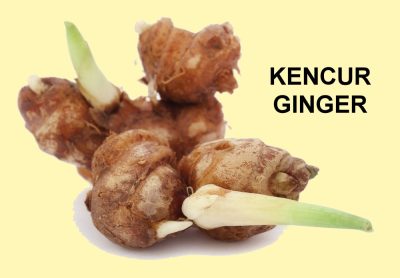
חוקרים מאוניברסיטת קאוסיונג בטאיוואן Kaohsiung Medical University in Taiwan גילו "טריק" שתאי סרטן עושים בו שימוש: הם "חוטפים" שומן מהרקמות הבריאות שסביב הגידול ומשתמשים בו כמקור לאנרגיה, ובכך הם שורדים, גדלים ואף מתרבים ומתפשטים כאשר הטיפול האנטי-סרטני (כימו למשל) "מרעיב" אותם. ואז הם גילו שזן מסוים של ג'ינג'ר, הקרוי Kencur ginger או aromatic ginger או Kaempferia galanga או Sand ginger או Cutcherry מתערב ומשבש את תהליך "גניבת השומן" הזה. סוג הג'ינג'ר הזה נמצא בשימוש נרחב ברפואות המסורתיות של מזרח אסיה.
אני לא מתמצא מספיק בסוגי ג'ינג'ר ולא יודע אם הוא נמכר בארץ, אבל זה עשה לי אסוסיאציה למשהו חשוב לא פחות:
יש בגופנו ציר ביוכימי הקרוי PRMT1/BTG2 axis המורכב מ-Protein Arginine Methyltransferase 1 (PRMT1) ומ- B-cell Translocation Gene 2 (BTG2) שהוא גן המקודד לחלבון אנטי-פרוליפרטיבי (מונע התרבות). שייחודו בכך שהוא מדכא היווצרות גידולים (על ידי הגבלת התרבות תאים ועידוד דיפרנציאציה differentiation שלהם.
BTG2 קושר ומפעיל את PRMT1, ובסופו, תהליך כימי-ביולוגי זה עוצר התרבות תאית ומדכא היווצרות גידולים (יש לו עוד תפקידים, במערכת העצבים, אבל אחסוך מכם).
ולמה אני מספר לכם את זה? כי נמצא שיש מזונות שפועלים ישירות על הציר הזה, ובכך מדכאים היווצרות תאי סרטן. למשל לאוקמיה מיאלואידית חריפה acute myeloid leukemia), וגם גידולים סולידיים (שד, אשכים, כליה, שלפוחית שתן, ערמונית ועוד) ואלה הם:
-
ג'ינג'ר GINGER
-
שומר FENNEL
-
פירות הדר (CITRICS) (תפוז, תפוז דם, אשכולית, לימון, ליים)
-
נענע Peppermint
-
צמח המרפא הסיני LIGUSTICUM בסינית CHUANXIONG
-
שמן זית (בגלל החומר הפעיל בו שנקרא Oleuropein).
-
כמה צמחים כגון תותים, ענבים, בננה, תה, ציפורן, חרובים, וגם חומץ. המכילים חומצה גאלית Gallic Acid
-
קינמון המכיל חומצה סינמית Cinnamic Acid
-
פלפל שחור Piper Nigrum המכיל Piperine
-
פלפל חריף Capsicum המכיל Capsicain
-
יש מצב (לא הוכח מספיק) שהחומר הפעיל בכורכום Curcumin, פועל באופן דומה.
אמל"ק: תצרכו את המאכלים האלה ביום-יום למניעה,
ואם חו"ח יש לכם מישהו עם "המחלה"-תמליצו לו לקחת.
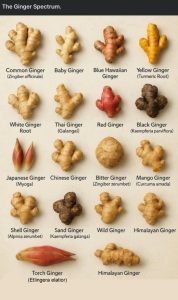
למרחיקי לכת ועניין בנושא סוגי הג'ינג'ר, זה מה שמצאתי ברשת:
- Culinary Ginger (Zingiber officinale): The standard ginger used in cooking, known for its yellow, fibrous, and spicy rhizome.
- Yellow Ginger The most common, strong-flavored, and widely used variety.
- White Ginger Features a milder flavor profile and lighter skin.
- Galangal (Thai Ginger/Alpinia galanga): A distinct, sharper, and more citrusy ginger often used in Southeast Asian cuisine.
- Mango Ginger (Curcuma mangga): A white-fleshed variety with a distinct aroma reminiscent of raw mango.
- Black Ginger (Kaempferia parviflora): Often used in herbal medicines and supplements, known for its dark purple to black interior.
- Blue Ginger Another name for certain Galangal types with a bluish tinge.
- Sand Ginger (Kaempferia galanga): Used in Southeast Asian cooking, known for its small, round rhizomes and strong scent.
- Fingerroot (Boesenbergia rotunda): Also known as Chinese keys, this variety has a citrusy, medicinal taste and is used in curries.
Ornamental and Fragrant Varieties:
- Torch Ginger (Etlingera elatior): Features large, waxy, bright pink or red flowers used in salads and curries in Southeast Asia.
- Beehive Ginger (Zingiber spectabile): Grown for its unique, large, yellow or red cone-shaped bracts that resemble a beehive.
- Shampoo Ginger (Zingiber zerumbet): Known for its red, pinecone-shaped, fragrant flower heads that produce a soapy liquid used for hair and skin.
- Butterfly Ginger (Hedychium coronarium): A fragrant, white-flowered,, ornamental plant with edible rhizomes.
- Shell Ginger (Alpinia zerumbet): Characterized by striped leaves and cascading pink-and-white
- flowers.
מקורות:
Ginger (Zingiber officinale): A Nobel Herbal Remedy
https://www.sciencedirect.com/science/article/abs/pii/S0944711324001673




השאר תגובה